Dairy Queen’s Dairy-Free Menu Options
The guide helps you explore the chain’s dairy queen dairy free menu and spot safe choices across locations. Understanding the menu is the first step for anyone seeking a non-dairy experience at these restaurants.
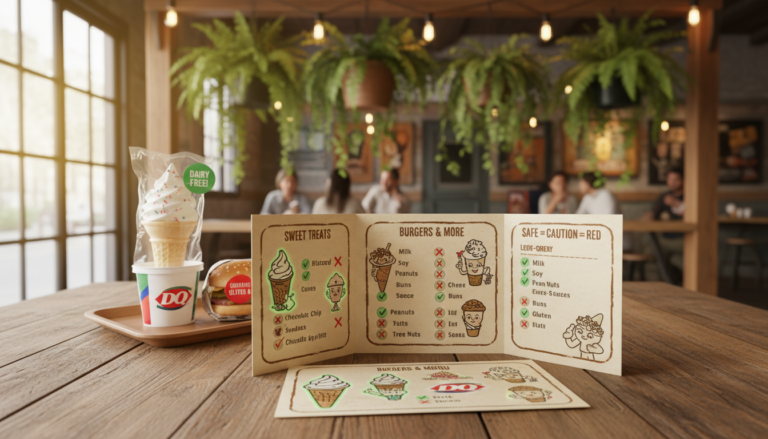
They offer customizable items and clear ingredient lists so you can check allergens before ordering. The popular non-dairy dilly bar is made with coconut cream and vegan chocolate, offering a true dairy-free ice cream treat for many guests.
Look up the latest details on the official dairy queen website to confirm ingredients and cross-contact risks. From chicken options to sweet bars and ice treats, this section lays out what to watch for when choosing food.
Understanding the Dairy Queen Dairy Free Menu Landscape
With more than 5,700 locations across the globe, the chain reaches many neighborhoods and travelers. They are adding plant-forward choices while traditional soft serve remains a hallmark. Availability varies by store, so ingredient lists can differ at independently owned restaurants.
| Area | What to Expect | Action |
|---|---|---|
| Reach | 5,700+ locations make items widely accessible | Check your local store for specifics |
| Core Offerings | Soft serve and classic treats dominate | Ask staff about alternatives before ordering |
| New Options | Non-dairy dilly and other ice offerings are appearing | Verify ingredients for dairy-free ice choices |
| Store Variance | Independent ownership affects prep and protocols | Confirm cross-contact practices at the counter |
Bottom line: understanding the landscape helps you pick safer items and ask the right questions. Always review ingredient lists and confirm handling at your chosen location.
Navigating Allergen Risks and Cross Contamination
Hidden ingredients and shared prep surfaces raise allergy concerns at many locations. Guests should take simple steps to reduce risk when ordering from the menu.
Fryer and Grill Safety
Shared fryers can transfer proteins between items. Chicken strips, fries, and battered snacks may all touch the same oil.
Ask staff which oil the fryer uses and if there is a dedicated fryer for allergen-safe orders. If the answer is unclear, do not assume items are safe.
Butter and Oil Precautions
The buttery oil used on Texas toast contains milk in its natural flavors and poses a real allergy hazard. Request no butter or a different preparation when ordering toast or sandwiches.
Vegetable oil blends — like canola, sunflower, palm, corn, cottonseed, or soybean — are common for frying. Even so, cross-contact can make items unsafe.
| Risk | What To Ask | Action |
|---|---|---|
| Shared Fryers | Which oil is used and is it shared? | Request separate fryer or avoid fried items |
| Buttery Oil | Does the buttery oil contain milk? | Ask for no butter on toast or swaps |
| Onion Rings & Battered Items | Do batter ingredients contain milk? | Avoid onion rings if batter contains milk |
Quick checklist: make sure staff know about your allergy, confirm oil and butter use, and speak to a manager for safe handling. Even items like the dilly bar or ice treats can be affected by shared scoops or surfaces.
Savory Food Options for Dairy Free Diners
Many guests find that simple swaps let them enjoy a hearty sandwich or strips without dairy surprises. This section covers straightforward swaps and checks to help you order safely from the menu.
Chicken Strips and Burger Modifications
Chicken strips often work well if you request no buttery oil or buttered toast. Ask staff about frying oil and whether a shared fryer is used at your location.
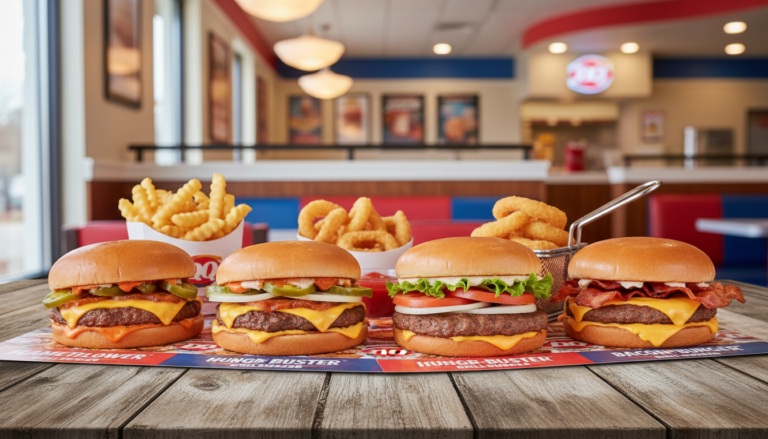
Most burgers can be modified by removing cheese and creamy sauces. Choose plain patties, skip cheese, and swap in safe sauces to keep the meal savory without milk.
| Item | Tip | Common Sauces |
|---|---|---|
| Chicken Strips | Request no buttery oil; verify fryer use | BBQ, Buffalo Dipping |
| Burgers | Omit cheese and creamy sauce | Honey Mustard, BBQ |
| Hot Dog | Order without cheese to avoid milk | Ketchup, Mustard, BBQ |
Quick reminders: check labels for sauces that may contain egg or cream, and make sure staff know to avoid butter on Texas toast. Even with savory items, the dilly bar remains the primary dessert option, so plan accordingly.
Exploring Dairy Free Frozen Treats and Desserts
Cold, fruity confections and a coconut-based bar expand plant-friendly options at many locations. They add bright flavors alongside traditional soft serve and give more choices for dessert seekers.

The Non Dairy Dilly Bar
The non-dairy dilly bar is made with coconut cream and a vegan chocolate shell. It delivers a crunchy coating and creamy center that tastes like classic ice cream without milk.
Star Kiss Frozen Confections
Star Kiss pops come in cherry, watermelon, and blue-raspberry. These fruit-forward treats are vegan-friendly and refreshingly simple.
Toppings and Syrups
You can add banana, pineapple, or extra chocolate to many items. Avoid fudge and any sauces that may contain milk. Dipping sauce options are limited, so pair treats with a pretzel or lay potato chips for a salty contrast.
| Item | Description | Calories | Price |
|---|---|---|---|
| Non-Dairy Dilly Bar | Coconut cream bar with vegan chocolate shell | 260 | $2.49 |
| Star Kiss – Cherry | Fruit pop, cherry flavor, vegan-friendly | 80 | $1.99 |
| Star Kiss – Watermelon | Light, juicy watermelon pop, dairy-free | 75 | $1.99 |
| Star Kiss – Blue Raspberry | Bright blue-raspberry frozen pop | 80 | $1.99 |
Essential Tips for Customizing Your Order
Clear communication at the counter makes the biggest difference when customizing orders at this chain. Tell staff about allergies and ask them to note your order. Short, direct requests cut down on mistakes.
Ask which oil they use for frying and whether buns get brushed with butter. This one question helps you avoid hidden milk and keeps your food safer.
When ordering a burger, ask explicitly for no cheese and no creamy sauces. That step prevents accidental dairy in your meal.
| Action | What To Ask | Why It Matters |
|---|---|---|
| State Allergies | Tell staff you need no milk | Reduces cross-contact risk |
| Check Oil | Is the oil shared or buttered? | Frying methods can transfer dairy |
| Modify Items | No cheese; hold sauces | Simple swaps remove common dairy |
| Confirm Updates | Review the local menu before ordering | Ingredients vary by location |
Be proactive and repeat key requests at pickup. That extra step will help you make sure the order does not contain milk and matches your needs.
Identifying Ingredients to Avoid
Scan ingredient lists carefully; many sauces and batters hide milk in plain sight. Read labels or ask staff so you can spot risky items before ordering.
Hidden Dairy in Sauces and Dressings
Some common dressings and sauces contain milk or cream. Ranch dressing, white country gravy, and fudge are examples that usually contain milk and should be avoided.
Onion rings often have milk in the batter. Even plain-seeming items can contain butter or powdered milk.
When you choose a dipping sauce—like honey mustard, buffalo dipping, or bbq—make sure to read the label or ask which ingredients are used. Cross-contact with oil or utensils can also transfer milk between items.
| Item | Why It May Contain Milk | What To Do |
|---|---|---|
| Onion Rings | Batter often includes milk or milk solids | Avoid or ask for ingredient list |
| Ranch & Gravy | Contain buttermilk or cream | Skip; choose vinegar-based sauces |
| Dipping Sauce (Honey Mustard/Buffalo) | May include dairy emulsifiers | Ask staff or request ingredient info |
| Frozen Treats (Chocolate Toppings) | Chocolate or cream additions can contain milk | Pick the non-dairy dilly or verify ice cream ingredients |
Quick tips: tell staff about any allergy, confirm which oil is used for frying, and keep simple swaps on hand. A pretzel, banana, or lay potato chips can still face cross-contact, so make sure you verify handling at your local locations.
How to Find Dairy Queen Locations and Nutritional Data
Start with the official website to confirm which items and sauces are available at your local store. The site lists ingredient facts, allergen flags, and nutrition for each menu item so you can plan ahead.
There are about 6,000 locations worldwide, with roughly 4,500 in the United States. Use the store locator on the website to find the nearest location and view current offerings.
Order online or use the app to specify substitutions such as no cheese or alternate sauce. The app records requests and helps reduce mistakes during preparation.
| Items | Description | Calories | Prices |
|---|---|---|---|
| Non-Dairy Dilly Bar | Coconut cream bar with vegan chocolate shell | 260 | $2.49 |
| Star Kiss Pop | Fruit-flavored frozen pop (Cherry) | 80 | $1.99 |
| Grilled Chicken Sandwich (Modified) | Hold cheese, request no buttery oil | 430 | $4.79 |
| Fries (Small) | Crispy fries; ask about shared fryer | 320 | $1.99 |
Before you visit, check the dairy queen website for full nutrition panels and allergens. Call the specific location if you have strict allergies to make sure staff can accommodate handling requests.
Conclusion
A few clear checks can turn a risky order into a reliable, dairy-free option.
Use the non-dairy dilly bar or a plain fruit pop for dessert and ask staff about fryers, butter, and sauces before you order.
Remember that traditional ice cream and fudge contain milk and cream, so avoid those unless ingredients are confirmed safe.
The dairy queen vegan and queen vegan menu listings are useful resources to find updated items like the non-dairy dilly and other plant-based picks.
Follow simple steps—state allergies, request no butter, and confirm handling—to enjoy a reliable dairy-free ice cream treat that fits your needs.
FAQ
What dairy-free frozen treats are typically available?
Several locations offer a non-dairy Dilly Bar made with a dairy-free coating, plus some fruit-based soft smoothies and sorbet-style options. Availability varies by store, so check the restaurant’s website or ask staff before ordering.
Are sauces and toppings dairy-free?
Many sauces—like honey mustard and BBQ—may contain dairy or butter derivatives. Chocolate and fudge sauces often contain milk. Ask for ingredient lists and request plain fruit toppings or certified dairy-free syrups when possible.
Can the fryer and grill cause cross-contact with milk products?
Yes. Fries, onion rings, and chicken cooked in shared oil can contact products that contain milk. Grills used for burgers and sandwiches may also transfer residues. Request separate preparation when feasible and speak with the manager about safety measures.
Which savory menu items can be modified to avoid milk?
Chicken strips and certain burgers can be ordered without cheese, buttered buns, or mayo to reduce milk exposure. Opt for plain grilled items, lettuce wraps, or items with dairy-free sauces. Confirm each ingredient with staff before ordering.
How can customers identify hidden dairy in dressings and condiments?
Read ingredient lists for terms like whey, casein, lactose, milk solids, butterfat, and natural flavor (which can contain milk). When in doubt, choose simple condiments such as ketchup or mustard and request printed nutrition/allergen info from the location.
Where can I find nutrition, ingredient, and allergen details for specific locations?
The official restaurant website posts nutrition and allergen guides for most items. For the most current data, use the location finder on the site or contact the store directly—recipes and suppliers can differ by region.
Are there vegan-friendly menu choices or a "Queen Vegan" lineup available?
There isn’t a nationwide, dedicated vegan menu. Some shops offer plant-based options like sorbet-style treats or modified entrees, but availability is inconsistent. Ask about vegan certification and ingredient lists at your local restaurant.
Do chocolate or fudge-dipped bars contain milk?
Yes—chocolate and fudge coatings commonly contain milk or milk derivatives. Even if the base is non-dairy, dipped bars may not be safe for those avoiding milk unless the label explicitly states they are dairy-free.
Can children’s meals be made dairy-free?
Many kids’ options can be adjusted by removing cheese, switching sauces, or choosing apple slices or fries (noting fryer cross-contact). Always confirm with staff and request allergen info before serving to a child with milk allergy.
What steps should someone with a severe milk allergy take when ordering?
Notify the staff about the allergy, ask to see ingredient lists, request separate preparation areas or utensils when possible, and avoid items cooked in shared fryers or coated in sauces with uncertain ingredients. If severe, consider choosing a different restaurant with clearer cross-contact controls.